


Access Asheville: Bullington Gardens and Biltmore Village
- The Agricoutourist

- Jun 5, 2021
- 4 min read
We had an appointment today to go to a special garden I found when researching accessible gardens and greenhouses in the area. On our way there we stopped at a great cafe for breakfast that Kat found for us. These girls are turning out to be some pretty good travelers.


As I wait on the coffee, I thumb through the local publication and find a great article that goes well with our theme of ACCESS.

Next we head to our appointment to meet John Murphy at Bullington Gardens where he is the chief educator and holds a degree in horticulture therapy. He's agreed to show me around. Bullington Gardens is a horticultural education center outside of Hendersonville. A big focus of this garden is horticulture as a form of therapy for children with challenges. I haven't studied horticulture therapy, as I've really just spent the last several years trying to set up a program/environment where the average student in a class of 25+ can get the most out of their time in class and maybe even take a little bit home with them. However, the times we have worked with the special education students or hosted them out on the farm, I find myself reflecting later on the value it had for everyone. Even within my classes, I have a wide spectrum of abilities and ages for which I have to accommodate. Simply put, everyone wants to have value, be part of something. I believe gardens and working with animals can provide this. I haven't had enough time and lack the experience to know really where the value lies, what it is that everyone takes away. It's probably different for each person. For the cognitively challenged maybe its the methodical practices involved that lead to consistent success and pride. For those with emotional challenges, maybe its taking care of something and seeing it grow and the stability of having it there in the same state everyday. Of course everyone feels better after being outdoors, and group activities around the garden are always a nice way to get people connecting. Anyway, I've seen first hand the value it offers all students and teachers, being outside, planning, planting, building - just communicating. So, as I become more comfortable teaching and as our program at school begins to stabilize, I'm interested in how our gardens and farm can benefit more students and teachers. As John toured me through his therapy garden, it became increasingly clear the role gardening can and is playing in ALL students lives. In the lives of ALL people.
Special needs children and young adults in Henderson County Public Schools have been the primary focus of the efforts at Burlington Gardens. Based in the therapy garden, the program offers plant-based activities to students (and adults) with special needs as a means of skill development, rehabilitation and wellness. Students tend gardens, make terrariums, do plant crafts and enjoy the gardens and grounds on a weekly basis. It's part of their school curriculum so it's more than just a field trip visit. Although they do offer this as an option to the surrounding elementary schools.


John shared the student journals, we keep nature journals as well. I've found it's a way for kids to observe the changes on the farm through the seasons as well as something they can take away from class and maybe continue doing on their. Who am I kidding? Anyway, these kids seemed to be really enjoying theirs.

His classroom is filled with succulents just as our greenhouse is. I've found even my most uninterested students can be tricked into planting success with a succulent.


All of the images above are of the Therapy Garden
All of the heights are 18 inches high and most planting boxes are 4 feet across.
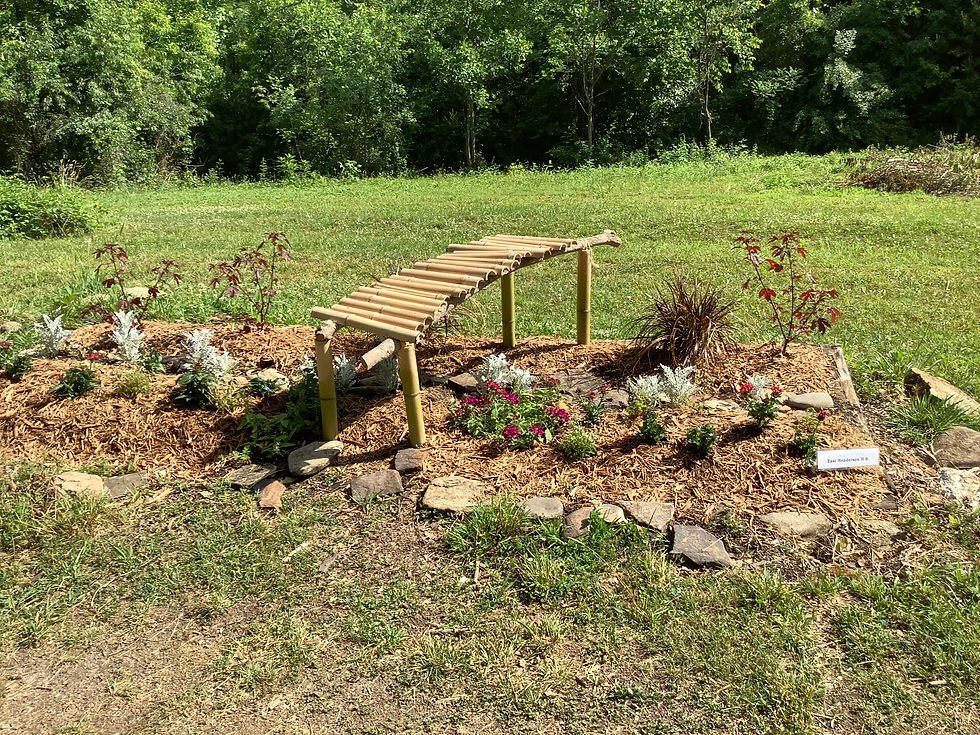
I'd have to agree with John that connection with the natural world enhances our health: physically, mentally, and spiritually. I'll just add that doing it as a group can extend the benefits even further. John tells me about the program he has across four high schools in which sophomores in the Occupational Course of Study focus on imparting basic job skills as they work on the trails, gardens and grounds. The culminating activity is a garden competition where students design, budget, grow plants and plant based on their chosen theme. The Best Garden is awarded at the school year’s final celebrations as well as Most Valuable Workers from each school. This year, because of time constraints, John picked the them of Unity. Here are the results.



John shared a few books with me as well.


I leave John to have time alone the rest of the gardens.

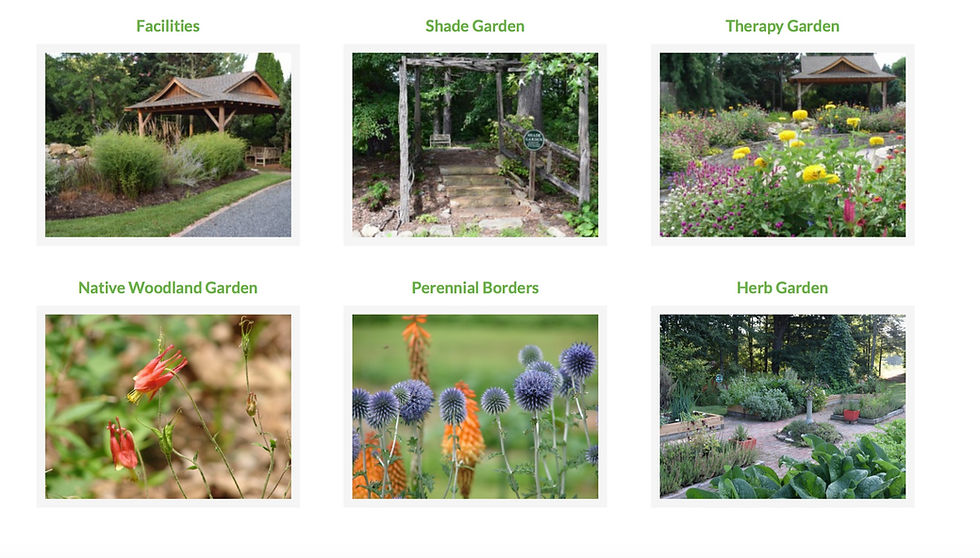

Of course I start trying to think how to make our tin shed at school look more like this.
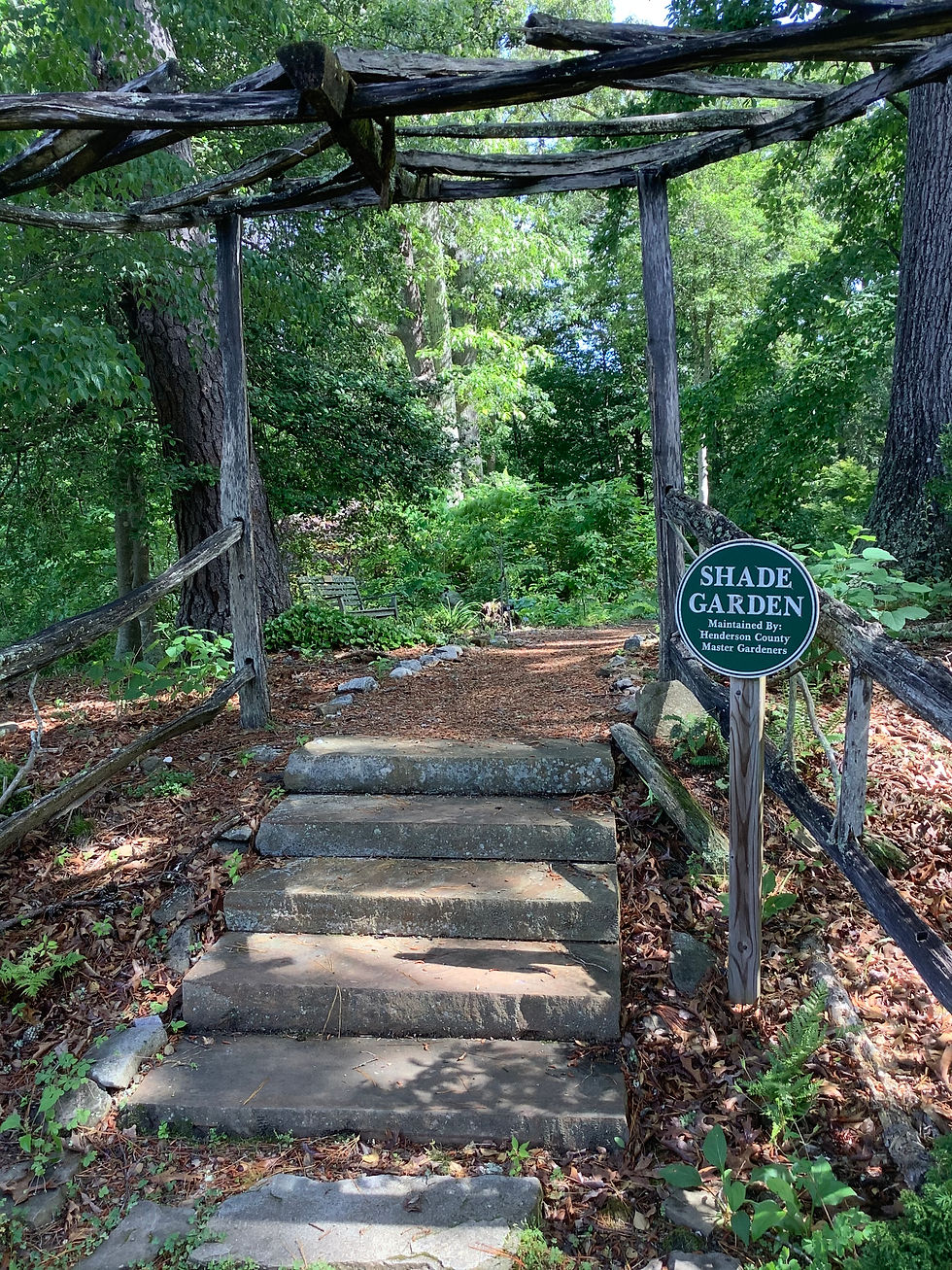
Our shade green at school is one of my favorite places.

Compost

His garden soil is all from the compost.
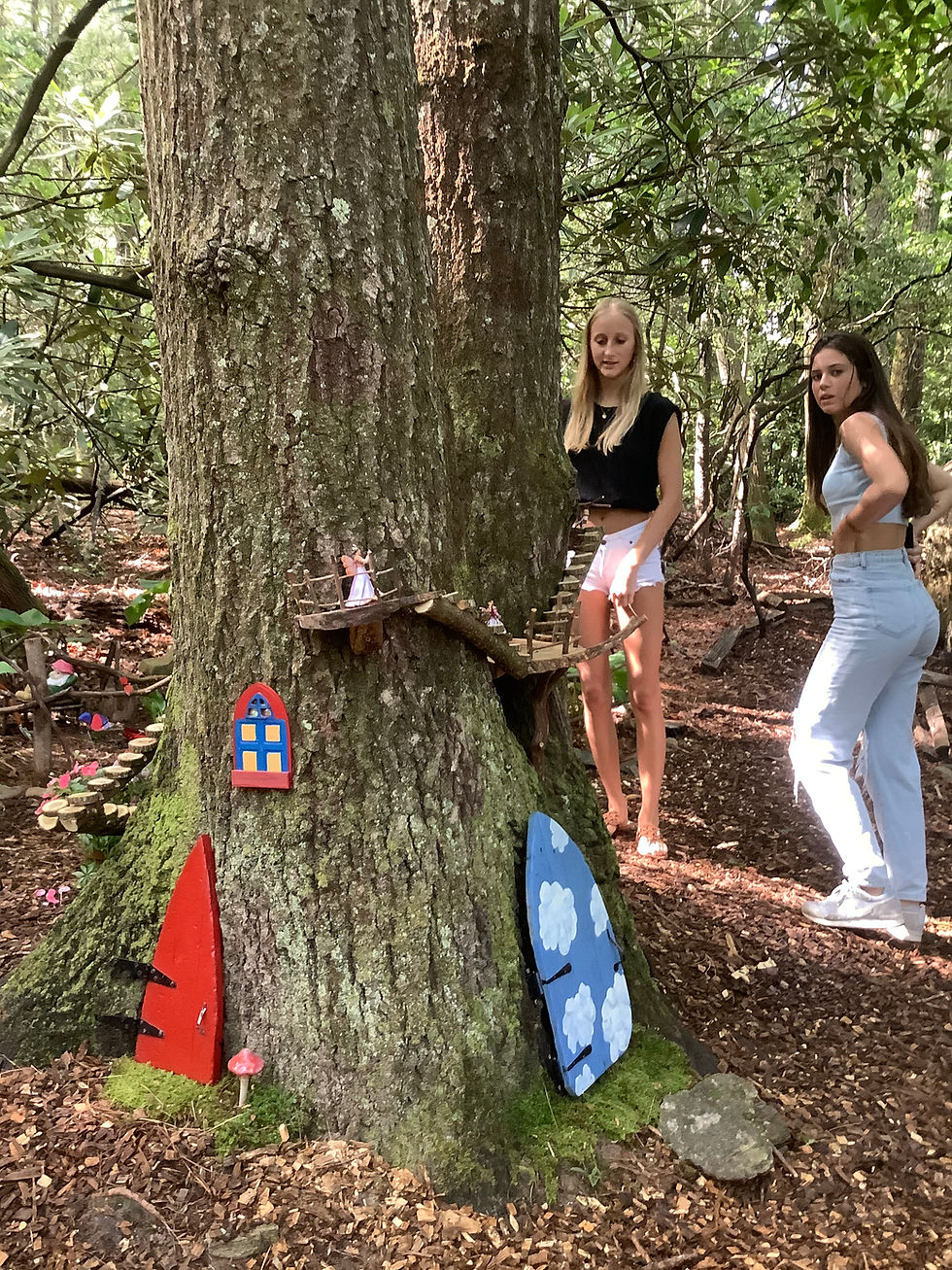
After my walk alone I find the girls and ask if they will take the fairy walk with me. Coincidentally, we are making something similar at school for our younger visitors. Get ready, I took a picture of eery single fairy house. I couldn't stop myself. This was the highlight of our trip!


We so wished we had a picnic for this spot! I am going to find a place at home for a fairy garden as well.


We have so much fun opening each door to see who's inside and what they are doing!


Note all of the items being recycled.


Gnome yoga!


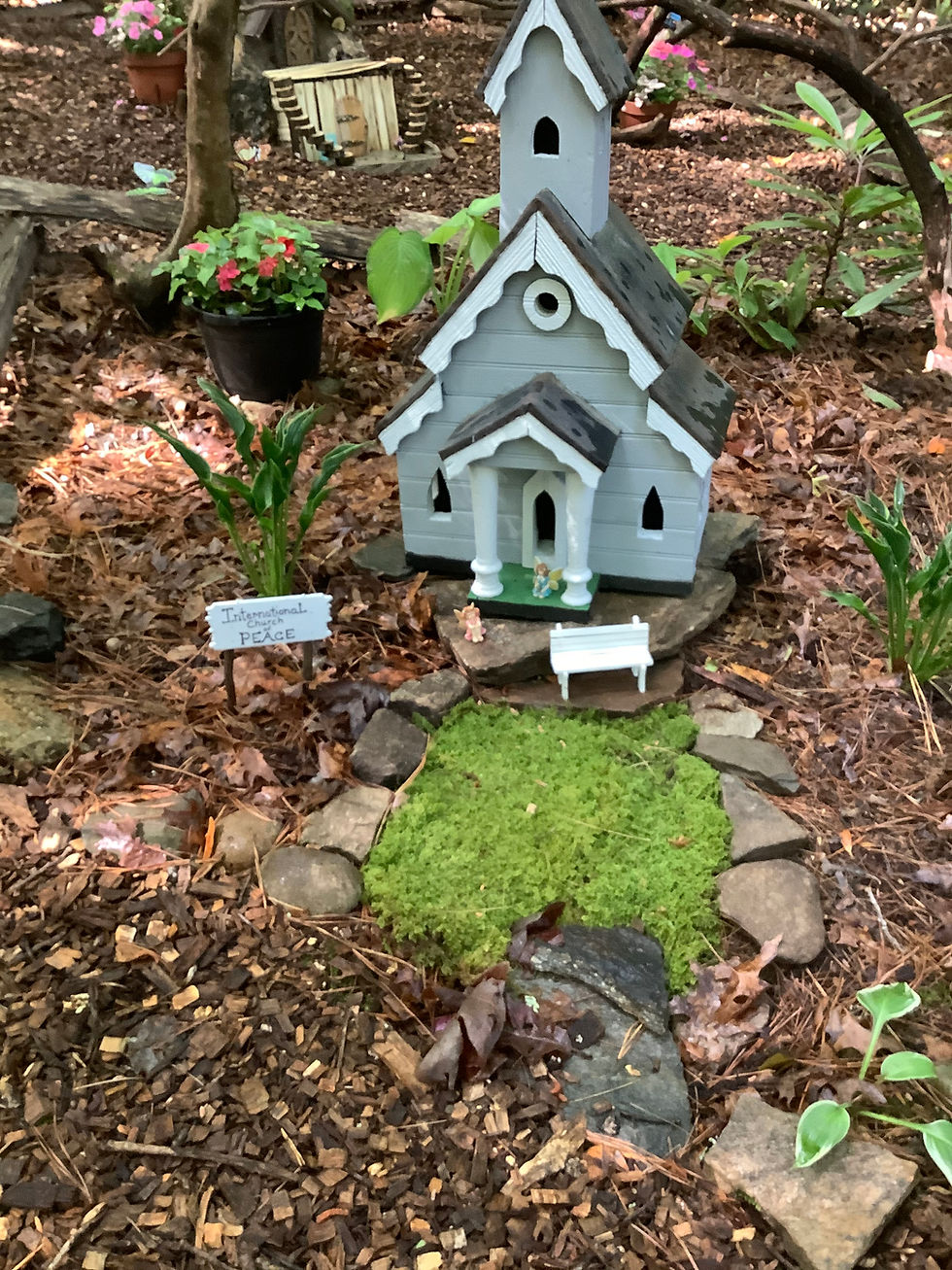



This is perfect for the Shakespeare Garden we just completed.


The path through the Fairy Garden


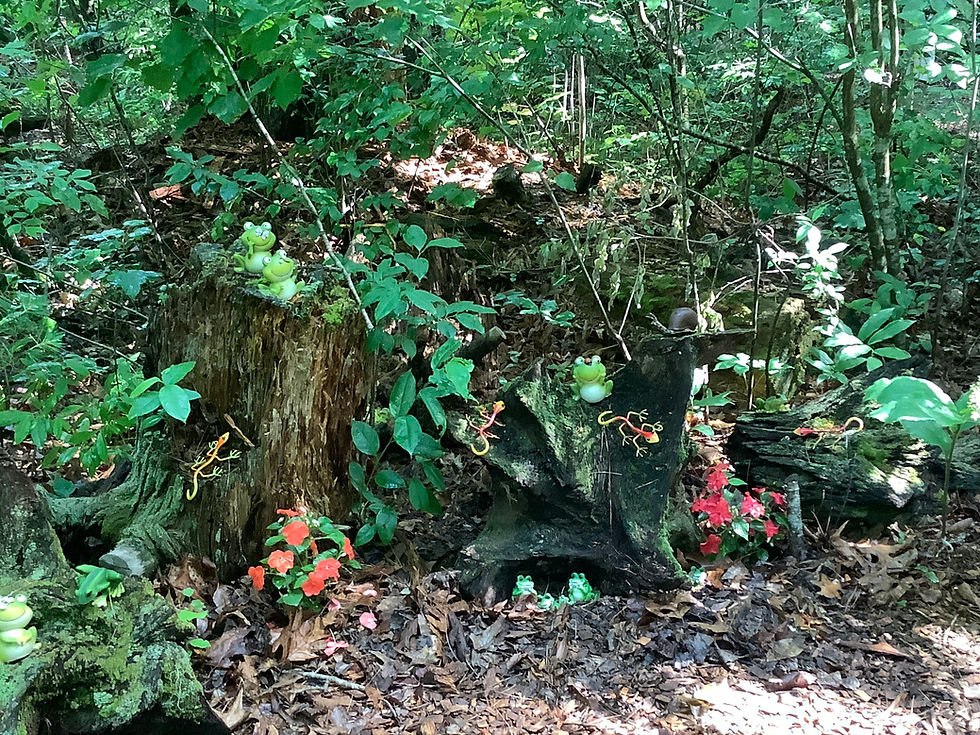

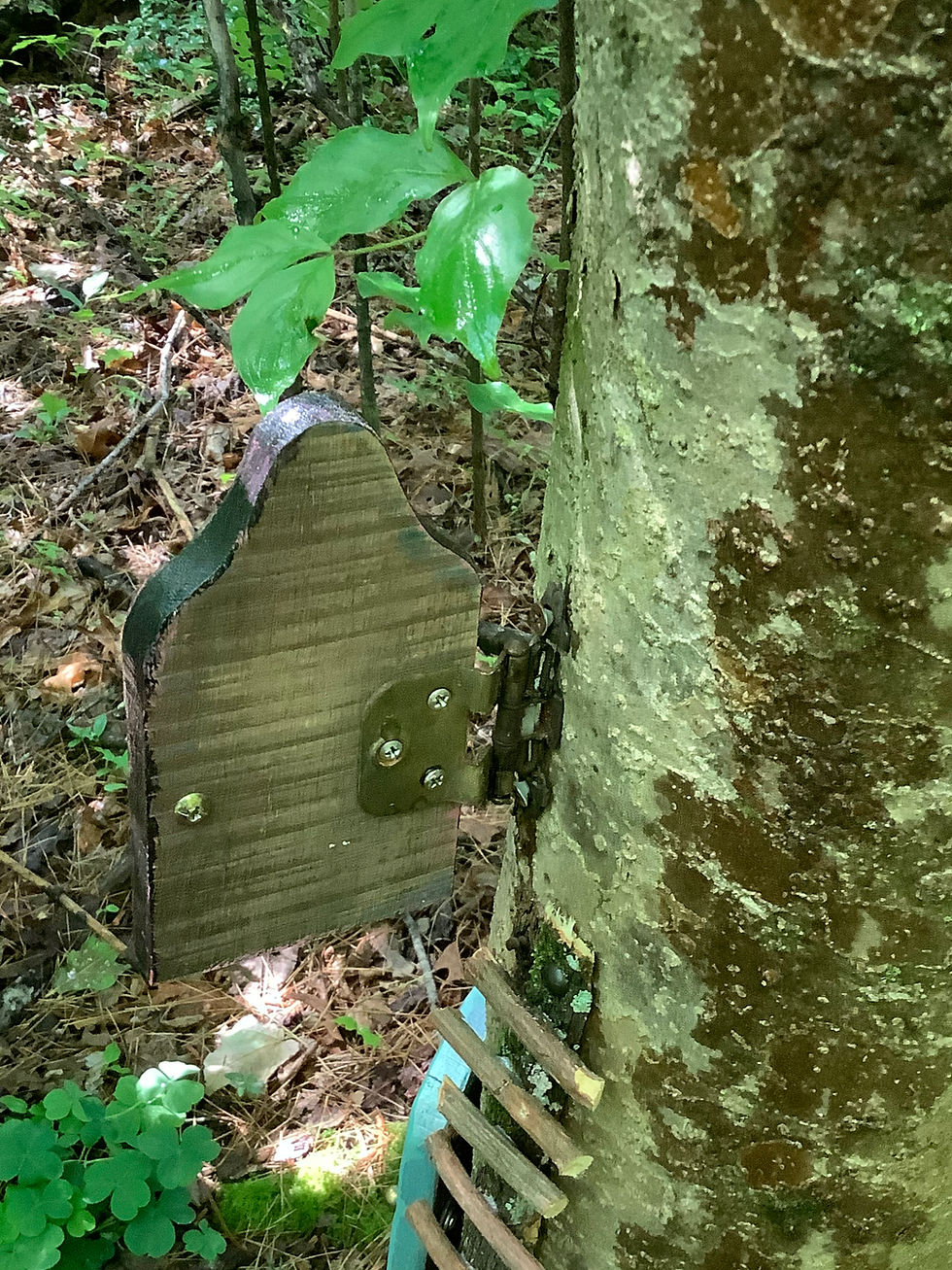


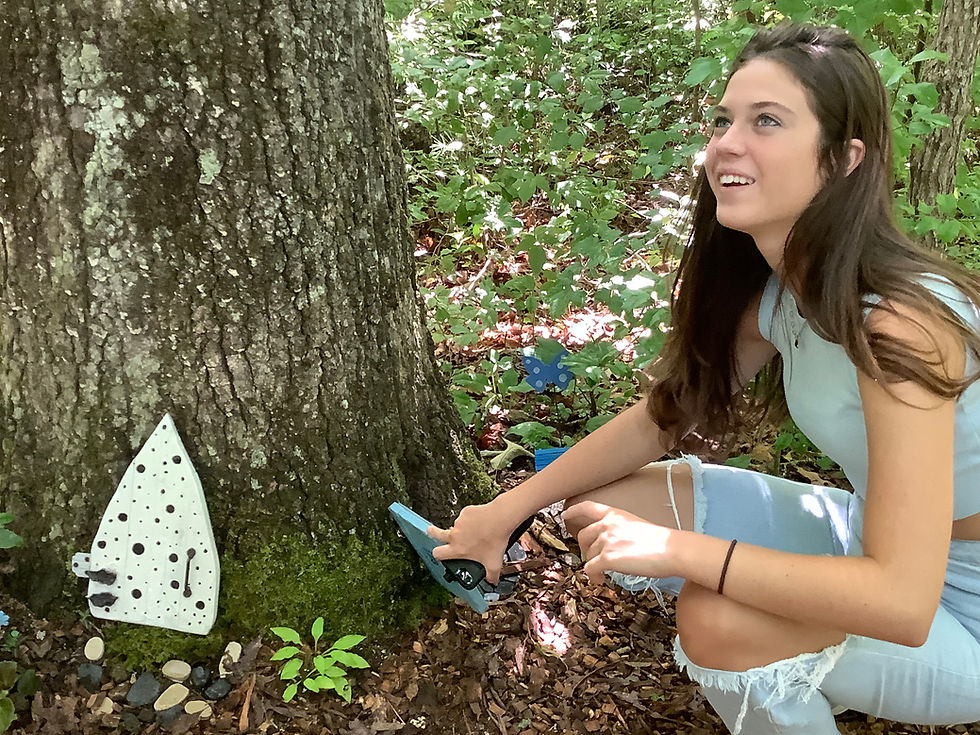


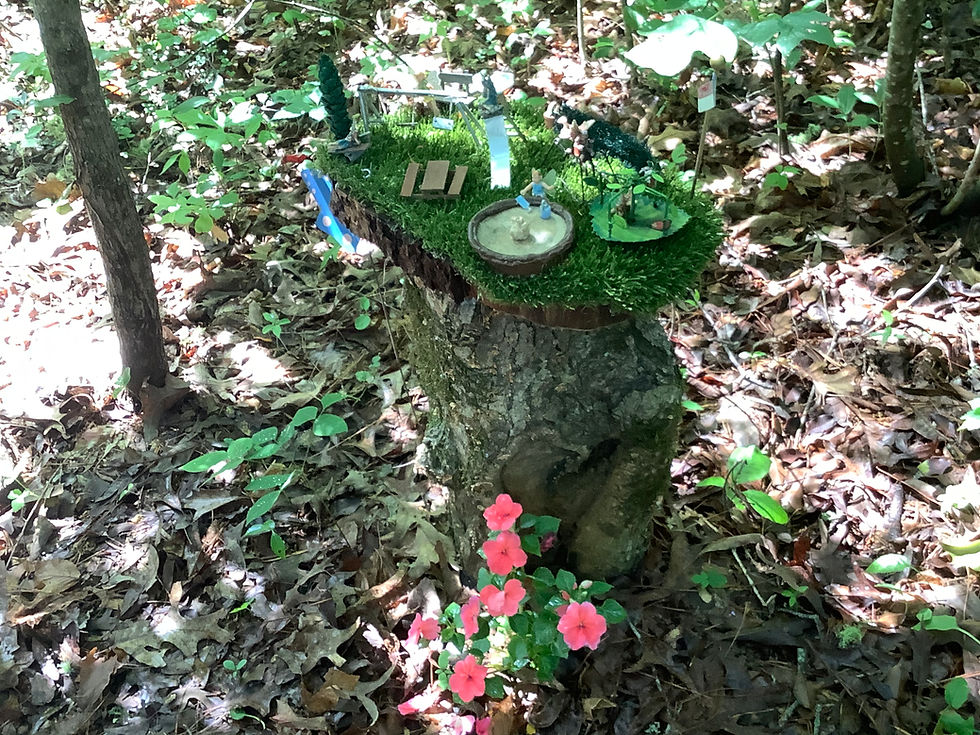


The girls make video of our fun fairy walk.
After getting Kat her COVID test required for camp we head to do some shopping. On the way I stop to check out an FFA plant sale.


I would be terrified to grow these peppers with my students! Seriously, Carolina Reeper?! Ghost Peppers!?


Going shopping Biltmore Village now


Comments