


Riverbloom Cottage: Foraging My Riverfront Acres: Edible, Medicinal, and Dye Plants Galore
- The Agricoutourist

- Dec 12, 2023
- 4 min read
One of the greatest joys of settling into my nearly three-acre homestead by the river has been discovering what the land provides naturally. From hidden berries to unexpected roots, each season brings its own surprises—delicious, healing, and often quite colorful. And the best part? Foraging has connected me more deeply to this place I now call home.
Below, I’ll share some of my favorite Southeastern plants I’ve encountered, how I’m using them in the kitchen, and a few lessons I’ve learned along the way.
1. Beautyberry: A Sweet Jam Surprise
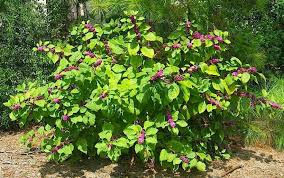
When I first spotted the luminous purple clusters of American beautyberry (Callicarpa americana), I never imagined I’d be turning them into jam. But after a bit of research (and taste-testing!), I discovered these berries can be transformed into a lightly sweet, subtly floral jam—an unexpected treat on morning toast or drizzled over yogurt.
Foraging Tip: Look for bright, magenta clumps of berries on arching shrubs in late summer to fall. They’re common in Southeastern woodlands.
Culinary Use: Rinse thoroughly, then simmer with sugar, pectin, and lemon juice for a unique jam.
Medicinal Lore: Some folks have used beautyberry leaves in homemade insect repellents, but I mostly stick to the jam!

2. Pokeweed: A Tricky But Tasty Green
Pokeweed (Phytolacca americana) is one of the more controversial finds in the Southeast. It’s toxic if not prepared properly, but many traditional Southern cooks consider young poke shoots (often called “poke sallet”) a seasonal delicacy.
Foraging Tip: Harvest only the young, tender leaves (no purple tint to the stems) in early spring.
Preparation: Parboil in at least two changes of water before cooking further—this step is vital to remove toxins.
Safety First: If you’re new to pokeweed, study reputable sources, consult experienced foragers, and proceed with caution.
While I enjoy it sautéed with onions and garlic, I’m always mindful to follow the old-school method of repeated boiling to ensure safe consumption.

3. Turmeric & Ginger: Growing My Own Spices
These might not be “foraged” in the wild sense, but Southeastern climates can often support turmeric and ginger in a garden patch—especially if you have a sunny spot with well-drained, rich soil.
Planting Rhizomes: I started with store-bought, organic ginger and turmeric rhizomes—each with visible “eyes.” Plant in spring once the soil warms up.
Harvest: By late summer or early fall, you can dig up the rhizomes, break off what you need, and replant a section for next year.
Culinary & Medicinal Uses:
Turmeric shines in curries, golden milk, or used fresh in stir-fries. It’s also known for its anti-inflammatory properties.
Ginger is a go-to for teas, baked goods, or soothing upset stomachs.
It’s incredibly satisfying to harvest these brightly colored roots from my own yard. While not a “wild find,” they remind me that foraging and gardening often intertwine, especially when exploring plants suited to the Southeastern climate.
4. Other Southeastern Gems
I’m constantly impressed by the variety of wild edibles and medicinals in my new home. Some additional favorites include:
Wild Blackberries & Muscadine Grapes: Perfect for cobblers, jellies, or fresh snacking right off the vine.
Sumac Berries: Steeped to make a tart “lemonade,” or used as a tangy spice in Middle Eastern-inspired dishes.
Passionflower (Maypop): The fruit can be scooped out for a sweet snack, and the leaves have traditional calming properties (though always confirm correct species!).
Dandelion Greens & Roots: Widely known for their detoxifying benefits—greens in salads, roots roasted as a coffee alternative.
Each discovery feels like a new chapter in my relationship with these woods and waters.


5. Foraging for Dye Plants
Beyond the kitchen, I’ve found natural dyes among plants on my property—an exciting venture into botanical color for crafts:
Poke Berries: Though they can stain your fingers a vibrant magenta, that color doesn’t always hold strongly on fabric. Still, it’s fun to experiment with small swatches.
Black Walnut Hulls: Known for producing a rich brown dye—and quite a mess if you’re not careful!
Goldenrod: Yields a warm, yellow hue when blossoms are boiled in water with a mordant (like alum).
Experimenting with dye plants has turned into a weekend passion project, combining nature walks with creative expression.


6. Seasonal Surprises & Riverfront Revelations
Having a river on the property adds an entirely different dimension to foraging. The moist soil near the banks supports water-loving plants that I never encountered before living here. From edible greens that pop up in the spring to the occasional stand of wild mint, it seems like each new season brings a fresh wave of potential discoveries.
Spring: Tender poke shoots, wild onion, and emerging mint.
Summer: Abundant fruiting vines, blackberries, and aromatic herbs gone wild.
Fall: Beautyberry in full display, sumac drupes, and goldenrod blossoms.
Winter: Time to scout for tree bark, pine needles for tea, and plan the next year’s garden expansion.


7. Forage Wisely & Responsibly
While foraging is deeply fulfilling, it’s crucial to practice responsible harvesting:
Positively Identify: Use field guides or partner with experienced foragers. Many plants have toxic lookalikes.
Don’t Overharvest: Take only what you need, leaving enough for wildlife and regrowth.
Respect the Land: The ecosystem needs each plant, insect, and fungus, so tread lightly.
Spending time among these wild plants has taught me the importance of balance—harvesting with gratitude rather than greed.
8. Looking Ahead: A Continual Adventure
My foraging journey has just begun. Each time I wander my acres—listening to the water’s gentle rush and pausing to admire a wild blossom—I feel a renewed sense of wonder. There’s an intimate connection between this land and my table, my craft projects, and even my medicine cabinet, all thanks to the generosity of nature.
I hope you feel inspired to explore your own backyard, neighborhood park, or local woodlands for edible, medicinal, or dye-worthy treasures. Just remember to do it safely, sustainably, and with a spirit of curiosity.
Happy foraging, and here’s to many more seasonal treats and discoveries along the river!
Final Note
If you’re new to foraging, consider taking a local class or using a reputable field guide. Knowledge is key to ensuring you harvest plants correctly and ethically—so you can enjoy your bounty with confidence and respect for nature’s gifts.


Comments